For the protection of the Baltic Sea environment
The main goal of CCB is to promote the protection and improvement of the environment and natural resources of the Baltic Sea region for present and future generations.
CCB's Member Organizations
CCB unites Member and Observer organizations, as well as partners and individual experts in all countries of the Baltic Sea Region.
Combined, the CCB member organizations have almost 1 500 000 members in all countries surrounding the Baltic Sea.
News
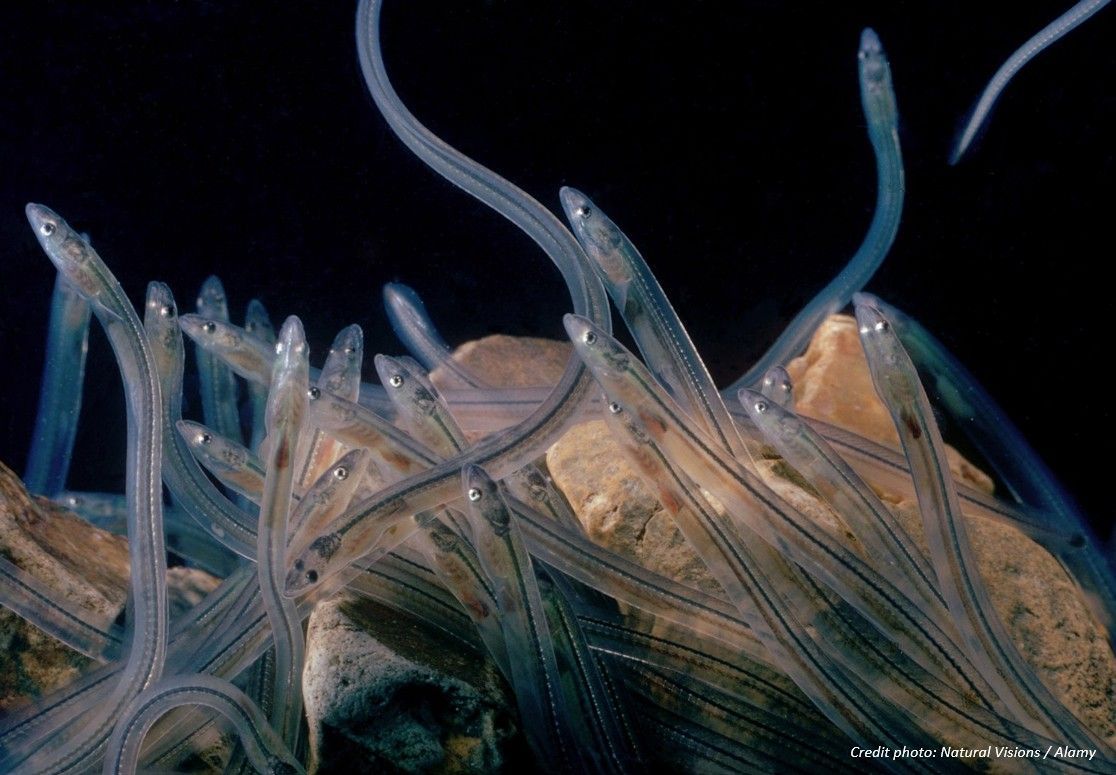
Widespread exploitation of the critically endangered European eel population continues against scientific advice, despite no signs of recovery. Today, the International Exploration of the Sea, ICES, published its scientific advice on fishing opportunities and conservation for European eel for 2027. As in previous years, ICES advises zero catch for all life stages, all uses and in all habitats. Despite very clear advice, over 1,500 tonnes were landed commercially in the EU in 2025 with an additional > 300 tonnes taken in recreational fisheries. The scientific advice on European eel requested by the EU, the UK and Norway makes very clear that no catches can be considered sustainable and that the “zero catch” also applies to glass eel landings used for restocking and aquaculture. Given the state of the eel population, ICES advises that all other anthropogenic impacts, such as pumping stations, hydropower and pollution, should also be zero. The European eel (Anguilla anguilla) has been listed as Critically Endangered by IUCN since 2008, and is on the European Red List for freshwater fish. It is also included in Appendix II of the Convention on Migratory Species (CMS) and listed in Appendix II of the Convention on International Trade in Endangered Species of Wild Fauna and Flora (CITES) since 2007. Despite the need for protection and efforts to aid its recovery, European eel continues to be fished across most of its natural range. In the past decade, total reported commercial landings of yellow and silver eel have remained above 2 000 tonnes per year; with several countries reporting annual landings of over 100 tonnes. In 2025, reported commercial glass eel landings were 57.1 tonnes. Where available, estimates of national recreational landings of yellow and silver eels show that they can be of the same order of magnitude as those of commercial fisheries. All in contradiction with the scientific advice. Only Ireland, Slovenia, Malta and Norway have closed all fishing for the species. In the EU, the Council Regulation (EC) No 1100/2007 establishing measures for the recovery of the stock of European eel was adopted in 2007 – almost 20 years ago. Since then, there has been some fluctuations in the very low levels of recruitment and yellow eel index, but no recovery. For 2026, levels are extremely low again with recruitment for “Elsewhere Europe” at 6.4 % and North Sea index at 1.2 % of the 1960–1979 reference level, respectively. – One has to wonder when European eel will be considered critically endangered enough for this exploitation to stop, says Niki Sporrong, Senior Policy Advisor for Migratory Fish at Coalition Clean Baltic. When will the obligation to protect and restore the population set out both in EU law and international agreements be prioritised? Measures to aid eel recovery have been agreed and implemented across and beyond the EU. Mediterranean long-term management measures for European eel were agreed in 2024 under the General Fisheries Committee for the Mediterranean (GFCM). Eel fishing closures, together with a complete ban of recreational fishing, intended to protect eel migration and recruitment have been adopted in EU marine waters, but their application has had insufficient effects on fishing mortality so far. Trade in European eel is regulated under CITES, and only earlier this year a Single Species Action Plan for the full range of the population was adopted by the Convention on the Conservation of Migration of Wild Animals (CMS). But without properly addressing key threats such as fishing, migration barriers and habitat loss it is hard to see how even the resilient eel will be able to survive combined pressures further exacerbated by climate change. – Exploitation of European eel continues against scientific advice, says Niki Sporrong. Agreed EU objectives for the rebuilding of fish stocks and biodiversity are simply not applied to this remarkable species. Urgent measures to minimise eel mortality must be implemented now, in both national, EU and international waters. —END— Notes to editors: [1] The European eel (Anguilla anguilla) population has been declining for a long time and is classified as Critically Endangered by the International Union for Conservation of Nature (IUCN, 2018). [2] The International Council for the Exploration of the Sea (ICES) data on recruitment shows a dramatic decline since the assessment baseline (1960-1979), and no significant recovery. Glass eel recruitment continues to be very low. This year, the preliminary estimate for the North Sea area is 1.2 % of the baseline average and for “elsewhere Europe” 6.4 %. Yellow eel recruitment in 2024 was estimated to 16.4 %. [3] Assessment of European eel is complex due to the great geographical range of the population, including a number of countries outside of the ICES areas. This makes it impossible for ICES to use fishing mortality, Maximum Sustainable Yield (MSY) and other standard reference points for eel. As data on eel fisheries and other anthropogenic impacts remain incomplete, the assessment is based on time series for glass eel and yellow eel recruitment. Even without defined biological limit reference points, it is ICES’s assessment that the European eel population remains well below any potential reference points, such as Blim. [4] ICES has advised that all anthropogenic mortality should be kept as close to zero as possible since 2003 (ICES, 2020). Since 2021, the advice has changed to zero for all anthropogenic mortalities, including all fishing. [5] A Council Regulation (1100/2007) establishing measures for the recovery of the stock of European eel was agreed in 2007. Since then, almost 20 years after its adoption, no notable recovery has been observed in the European eel population. [6] Only three EU countries – Ireland, Malta and Slovenia – have prohibited all fishing for the European eel , despite the fact that it is also on the European Red List of Freshwater Fishes. Six EU countries still landed over 100 tonnes in 2025 : the Netherlands (428 t), France (361 t), Germany [extrapolated from latest reported landings of >200 t], Denmark (126 t), Poland (120 t) and Sweden (114 t). Outside of the EU, Turkey (267 t) also reported landings over 100 tonnes. Egypt, which has a substantial fishery for European eel and mainly targets yellow and silver eel, does not report any data to ICES and is not included in the overall estimates. [7] Trends in landings – reported commercial landings of yellow and silver eel continue to fall overall. In 2024, landings were 2,074 tonnes and in 2025, landings were around 1,922 tonnes, if we assume that Germany landed >200 tonnes based on landings from recent years. However, France and Denmark stand out in 2025 for increasing reported commercial landings compared to the previous year, and the Netherlands for significantly increasing landings since the EU eel regulation was adopted. [8] EU glass eel landings – in 2026, reported commercial landings of glass eel, a fishery completely dominated by France, were at 53 tonnes. In France, landings have been increasing since 2011 with a peak at 54.5 tonnes in 2022. This year, France reported landings of 48.3 tonnes (prel. figures) – 91% of the EU catch. After Brexit, UK landings have fallen dramatically, from more than 3 tonnes to 0.6 tonnes in 2025. Spain is the only country still fishing for glass eel in the Mediterranean, and the Mediterranean landings almost doubled in 2026. [9] Recreational landings of yellow and silver eel are completely dominated by Germany. Total r eported recreational landings for 2022 – the last year with complete figures – was 550 tonnes. In Germany, recreational landings remain very high , higher than reported commercial landings, with 275 tonnes reported for 2022. This is over half of all reported recreational landings in the EU (52%). [10] Restocking involves catching wild glass eels in one place and letting them go in another, often spreading viruses and disease in the process. It has been used for decades in many countries – not as a conservation measure but in order to sustain fisheries for eel. Despite the prolonged practice, no net benefit to eel reproduction has been proven. In its advice for 2026, ICES notes that “restocking is reliant on a glass eel catch, which is in contradiction with the current advice”. [11] Eels have a complex life cycle , going through several different life stages and generally live for 10–20 years. The very small, translucent eels arriving at European coastlines every year are called glass eels . When they reach brackish or fresh waters, they transform into less transparent elvers , and then grow into yellow eels , which live along our coasts, in rivers and lakes for up to 25 years. When mature, they transform again into silver eels , which will undertake the long journey to the Sargasso Sea to spawn.
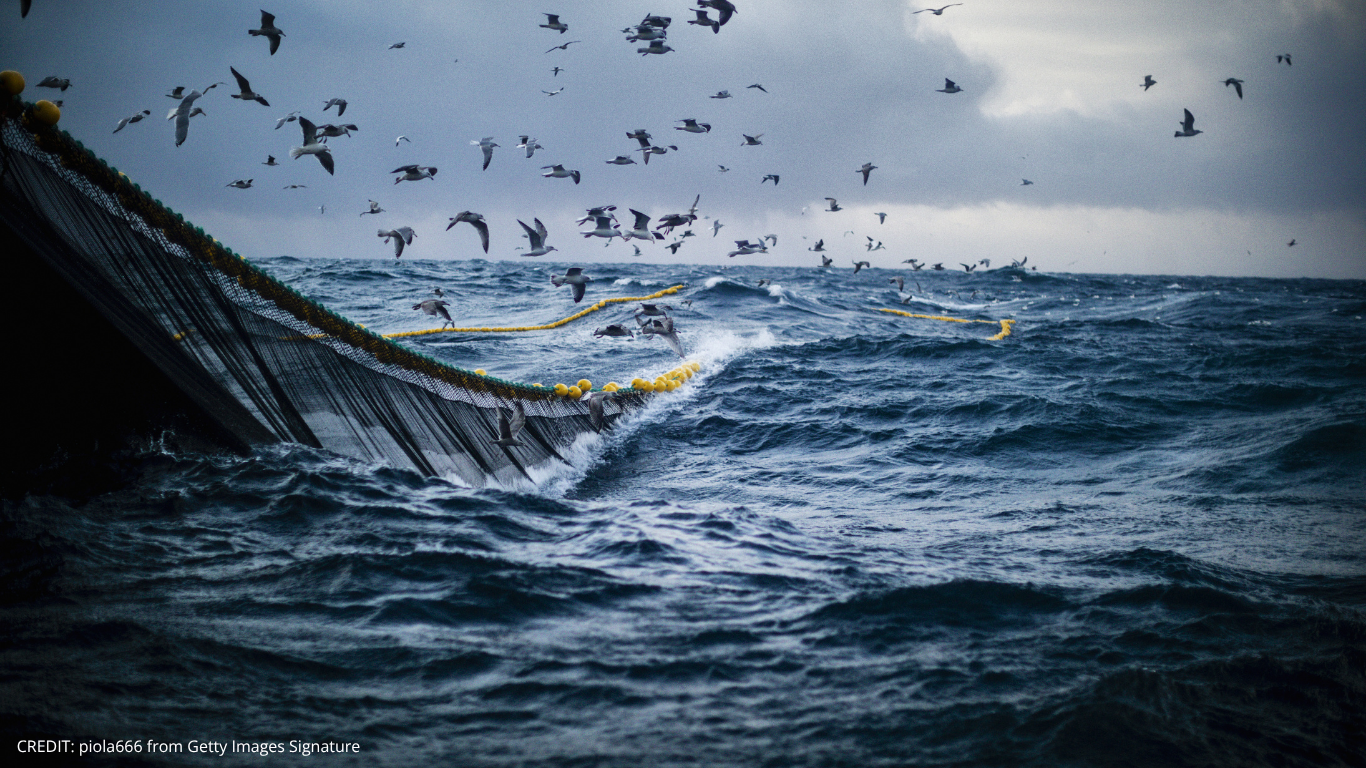
Brussels, 4 November 2026: Environmental NGOs welcome the European Commission’s decision to not include a revision of the Common Fisheries Policy (CFP) in its 2027 Workplan, announced today, and call on the Commission to maintain this course. To improve ocean health and biodiversity, BirdLife, BLOOM, Coalition Clean Baltic, ClientEarth, Environmental Justice Foundation, Oceana, and Seas At Risk urge the Commission to prioritise full implementation and enforcement of the existing CFP to rebuild fish populations, protect marine ecosystems, and secure a sustainable future for fishers and coastal communities. “The Commission has rightly chosen to follow the findings of its own CFP evaluation , published in April this year, and to focus on holding Member States accountable for implementing the law”, said the NGOs. “Reopening a policy that has not yet reached its full potential would halt timely implementation, waste valuable time and delay the meaningful action that European fishers and marine ecosystems urgently need.” A competitive and resilient fisheries sector can only be built on: healthy fish populations; a system that gives a fair share of space and resources to fishers that have a low impact on the marine ecosystem; and a fleet that is enabled to make a just transition to lower environmental impact, reducing dependence on subsidised fossil fuels, and responding properly to the climate crisis. The CFP outlines a precautionary pathway forward, centering fisheries management on scientific advice and ecosystem protection, minimising the impact of fishing on the marine environment while aiming to provide a sustainably sourced food source for people throughout Europe. “The European Commission must now demonstrate its political ambition by delivering on the CFP, which will allow fish populations to recover, will help achieve food security, along with the wellbeing of European fishers and coastal communities, and protect ocean health”, said the NGOs. “With imminent annual fisheries negotiations between the Commission, Member States and third countries, including the UK and Norway, this will be a key opportunity to finally close a major CFP implementation gap by setting fishing limits that are geared towards rebuilding struggling fish populations and fisheries.” The environmental NGOs call on member states to cooperate with the European Commission on stronger implementation measures to fulfil the objectives of the CFP, and put European citizens and environment at the heart of their position going forward.
27 October 2026 , Luxembourg - EU fisheries ministers increased central Baltic and Bothnian herring catch limits beyond the European Commission’s proposals and significantly increased the sprat catch limit, falling short of the precaution needed to protect the role of herring and sprat in the Baltic Sea food web. The Council also rejected proposed cuts to accidental catches of severely depleted cod and western Baltic herring populations. NGOs warn that fishing limits remain too high and urge EU ministers to follow the agreement with concrete plans to rebuild depleted fish populations. Herring: further measures needed to safeguard fragile recovery and protect vulnerable populations EU fisheries ministers increased the catch limit for central Baltic herring to 165 228 tonnes, a 71% increase compared with 2026. The population has shown signs of improvement after years of depletion. However, the central Baltic herring population remains vulnerable, and rebuilding must restore healthy age and size structures as well as overall abundance. Although below the scientific headline catch advice, the Council’s decision exceeds the Commission’s proposal, which was more precautionary and recovery-oriented and should have been followed by the ministers. “Ministers have recognised the need for caution, but still allowed more herring to be caught than the Commission proposed. These vulnerable populations need a stronger chance of lasting recovery, with clear rebuilding targets, a timetable for reaching them and measures that are implemented and enforced ,” said Cathrine Pedersen Schirmer, Senior Fisheries Policy Advisor at Coalition Clean Baltic. For Bothnian herring , ministers retained the three-month spawning closure but increased the Total Allowable Catch (TAC) by 12% , despite the population remaining below healthy levels. The Commission’s proposed TAC for this fish population was already a compromise between population rebuilding and maintaining fishing opportunities. The agreed higher TAC poses a risk to the recovery of the Bothnian herring population and creates increasing uncertainty for the industry. “ Fisheries decisions must also account for the risks to fish population recovery. Even catch limits within the ICES advice range can leave stocks at risk of remaining below the biomass levels that should trigger recovery measures. Fishing opportunities must give depleted populations a real chance to recover to healthy level s,” said Beatrice Rindevall, Chairperson of the Swedish Society for Nature Conservation. The Gulf of Riga herring TAC was also set above NGOs’ recommendations, with an increase of 11% compared with 2026, despite the recent decline in its spawning biomass and its importance to the Baltic food web. Lower limits for this fish population would have better supported population health and long-term resilience. Sprat: recovery must extend to the Baltic Sea food web The sprat agreement remains a significant concern. The Council’s decision, in line with the Commission’s proposal, to increase the sprat catch limit by 44% to 291 590 tonnes exceeds the level NGOs recommended. Although the population has increased, the agreed limit does not sufficiently account for sprat’s importance as prey for cod, salmon, seabirds and other marine wildlife, persistent catch misreporting or the risk of catching vulnerable herring alongside sprat. “ Herring and sprat are vital to the Baltic Sea ecosystem. When setting fishing opportunities, decision makers must leave enough prey in the water to support predators like cod and salmon, to rebuild ecosystem health and align with the EU’s nature restoration ambitions ,” said Justyna Zajchowska, Fisheries Lead for WWF Baltic Sea Programme. Salmon: no increase in catch limits, but stronger protection needed NGOs welcome the decision not to increase salmon fishing opportunities. However, fishing should be restricted to compensatory hatchery-released salmon or salmon from rivers where populations are at full reproductive capacity. Fishing on vulnerable wild populations must be avoided and, if returning salmon numbers are insufficient, additional adaptive management measures should be deployed immediately, considering the impact of recent poor spawning runs. “ Good returns to some large rivers are encouraging, but they do not demonstrate recovery across the Baltic region. Many smaller river populations remain in serious difficulty. We need fishing restrictions that protect those vulnerable salmon throughout their migration and allow enough fish to reach their spawning grounds ,” said Thomas Johansson, Chairman of Östersjölaxälvar i Samverkan and Secretary General of the Baltic Salmon Fund. Cod, western Baltic herring and plaice: Council misses opportunity to curb bycatch Both Baltic cod populations and western Baltic herring remain severely depleted. Targeted cod fisheries remain closed, while ministers retained the small-scale fisheries exemption for western Baltic herring. Yet ministers agreed bycatch quotas well above the Commission’s proposals for 2027 and at the same level as 2026, falling short of the protection sought by NGOs. For all three populations, the agreed bycatch quotas permit continued catches despite ICES advice for zero catch. The Council’s decision to increase the plaice TAC to 11,237 tonnes , well above the level NGOs recommended, missed an opportunity to secure a reduction in accidental cod catches. The decision also does not reflect the very low reported landings of this species. Declining weight and condition of plaice also warrant greater caution. The TAC must be combined with effective enforcement of mandatory selective gear to reduce cod bycatch and the implementation of the landing obligation. Annual fishing limits must support lasting recovery The Council’s decisions on Baltic Sea fishing opportunities for 2027 are not ambitious enough to secure restoration of all Baltic Sea fish populations. These decisions should be seen in the context of last year’s joint commitment by the European Commission and Baltic Sea Member States to seek dedicated scientific advice from ICES on rebuilding pathways for fish populations. In the absence of such rebuilding-oriented advice, and whilst we are waiting for it, decisions should be more cautious and based on the available recovery-focused catch options provided by the scientists in their traditional advice. Fisheries management must also support EU marine restoration objectives and the achievement of good environmental status in the Baltic Sea. Restoring fish populations and food webs is essential to the recovery of the sea itself and to the long-term future of Baltic fisheries and the coastal communities that depend on them. ENDS *** Further information: Link to Council decision Link to Commission’s proposal Link to Joint NGO recommendations on Baltic Sea fishing opportunities for 2027 Media contact: Beatrice Rindevall, Chairperson, Swedish Society for Nature Conservation, ordforande@naturskyddsforeningen.se Cathrine Pedersen Schirmer , Senior Fisheries Policy Advisor, Coalition Clean Baltic, Cathrine@ccb.se Justyna Zajchowska , Fisheries Lead, WWF Baltic Sea Programme, jzajchowska@wwf.pl Dr. Katja Hockun, Senior Expert Meeresschutz, Deutsche Umwelthilfe e.V., hockun@duh.de Konrad Stralka , Executive Director, BalticWaters, konrad.stralka@balticwaters.org Magda Jentgena , Baltic Sea and Freshwater Programme Manager, Pasaules Dabas Fonds, mjentgena@pdf.lv Regan McEnroe , Chairperson, Nature and Youth Sweden, ordforande@faltbiologerna.se Tapani Veistola, Executive Director, Suomen luonnonsuojeluliitto (Finnish Association for Nature Conservation), tapani.veistola@sll.fi Thomas Johansson , Chairman, Östersjölaxälvar i Samverkan, and Secretary General, Baltic Salmon Fund, thomas@balticsalmonfund.com .
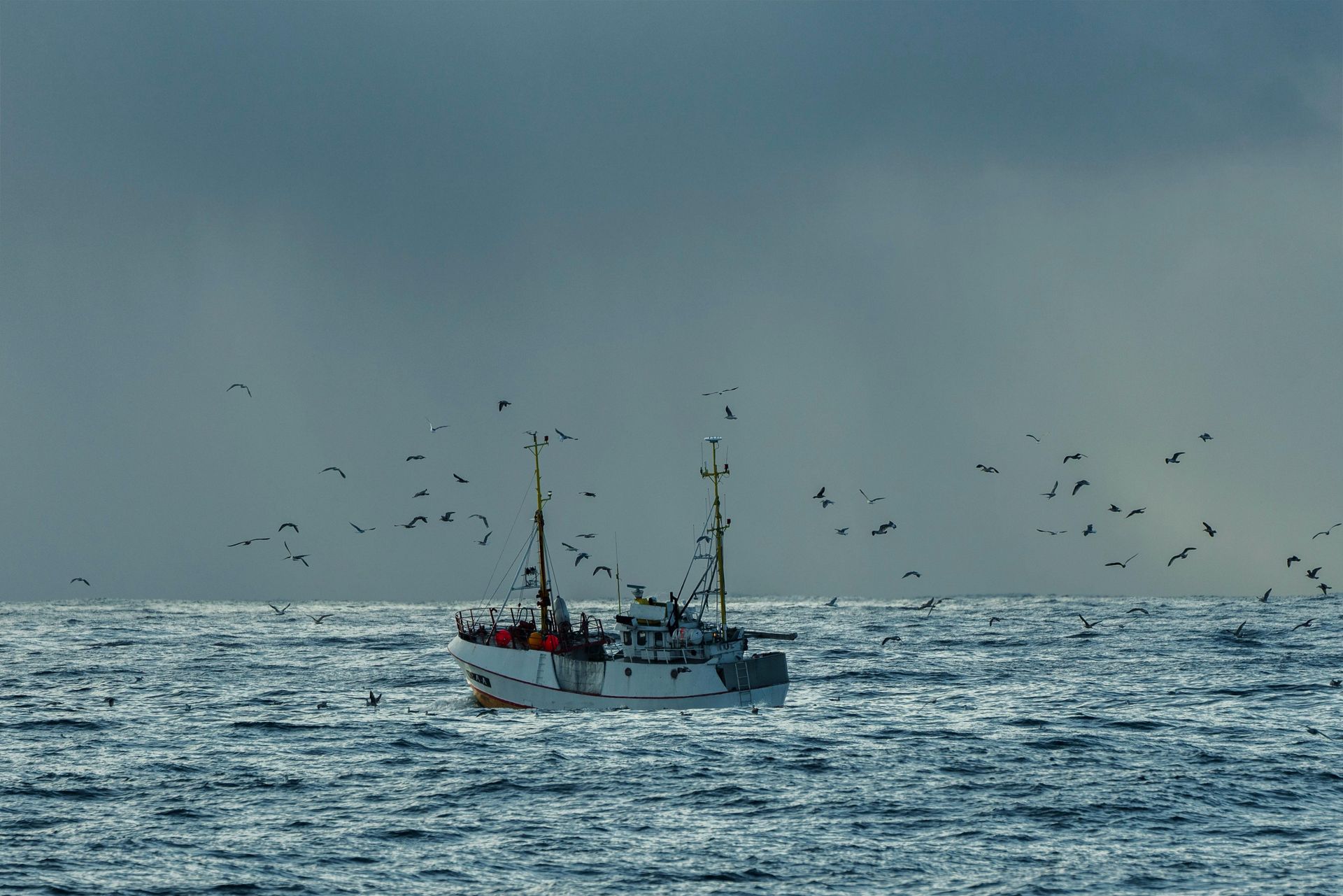
Uppsala, 31 August 2026 - Coalition Clean Baltic (CCB) welcomes the Commission’s recognition that declining fishing pressure has not consistently delivered higher biomass, that recruitment and biomass are deteriorating for a number of stocks, and that Baltic fisheries urgently need rebuilding trajectories. These findings must now shape the Council’s decision on the 2027 fishing opportunities and the Commission’s position during the Council negotiations. The poor status and decline of many Baltic Sea fish populations have been documented over several decades and show that the ecosystem is in severe distress. Cumulative human pressures have contributed to major ecosystem shifts, and at the same time climate change is making the shallow, semi-enclosed Baltic Sea warmer and less saline. These combined pressures affect not only fish biomass but also recruitment, population age and size structures, species interactions and the functioning of the wider food web. The Baltic crisis reflects the persistent failure to fully implement the CFP and the Baltic MAP, including their precautionary safeguards and the legal obligation to apply ecosystem-based fisheries management. Fishing opportunities for 2027 must therefore mark the first concrete step towards ambitious, timebound rebuilding trajectories that reduce fishing pressure and enable depleted populations to recover to healthy levels. These trajectories must include implementation of an ecosystem based approach by accounting for species interactions, food-web needs, habitat conditions, environmental and climatic change and scientific uncertainty, while reinforcing, not replacing the CFP’s objectives and the Baltic MAP’s existing safeguards in Art. 4.6. The Commission’s 2027 proposal is now before the Council. The October Council must turn the commitment to rebuild Baltic fish populations into measurable action by adopting fishing opportunities that deliver rapid and sustained recovery. Under no circumstances should the TACs adopted be higher than levels proposed by the European Commission. Fishing opportunities aligned with scientific evidence, legal safeguards and ecosystem needs are the basis for both a recovering Baltic Sea and viable fisheries in the long term. Read the full CCB's submission and recommendations here .
Our funders
The content of this website is the sole responsibility of CCB and can under no circumstances be regarded as reflecting the position of the funders.