Environmental NGO (Coalition Clean Baltic and World Wide Fund for Nature) Statement for HELCOM Ministerial Meeting on the HELCOM Baltic Sea Action Plan, Krakow, 15 November 2007
ENVIRONMENTAL NGO (COALITION CLEAN BALTIC AND WORLD WIDE FUND FOR NATURE) STATEMENT FOR HELCOM MINISTERIAL MEETING ON THE
HELCOM BALTIC SEA ACTION PLAN
KRAKOW, POLAND
15 NOVEMBER 2007
On behalf of the environmental NGOs, Coalition Clean Baltic and WWF, who serve as observers to HELCOM, we appreciate the opportunity to share our position on the HELCOM Baltic Sea Action Plan (BSAP). We welcomed HELCOM’s initiative to launch the BSAP process nearly two years ago. The ambitions of the BSAP to deliver wide-scale and decisive actions necessary to achieve a good ecological status for the Baltic Sea was seen by CCB and WWF as fulfilling a critical need to achieve ecosystem based management in the Baltic Sea region.
Originally, the proposed text of the plan did indeed include many of the strong actions and tough decisions that so urgently needed. Over time, however, the plan has been successively narrowed in scope and weakened due to political and economic disagreements between CPs and economic sectors like agriculture and fisheries – so much so that the plan you now seek to adopt is but a shadow of its former self.
Instead, the BSAP is now high on rhetoric but missing many of the very ambitious actions and commitments which were the reason the BSAP was originally conceived. In fact, the plan rarely steps beyond actions which have already been agreed on and negotiated in other fora. This is important, but does little to demonstrate the added value of the BSAP and indeed HELCOM itself. As a result, the plan you are now set to endorse will unfortunately not reach its ambitious aims or objectives.
Two of the biggest threats to the ecosystem of the Baltic Sea are eutrophication and the overfishing of cod. The adopted HELCOM BSAP
- takes a positive first step towards addressing Eutrophication, e.g. with country-wise quotas for nutrient reduction, but this will not solve the total problem
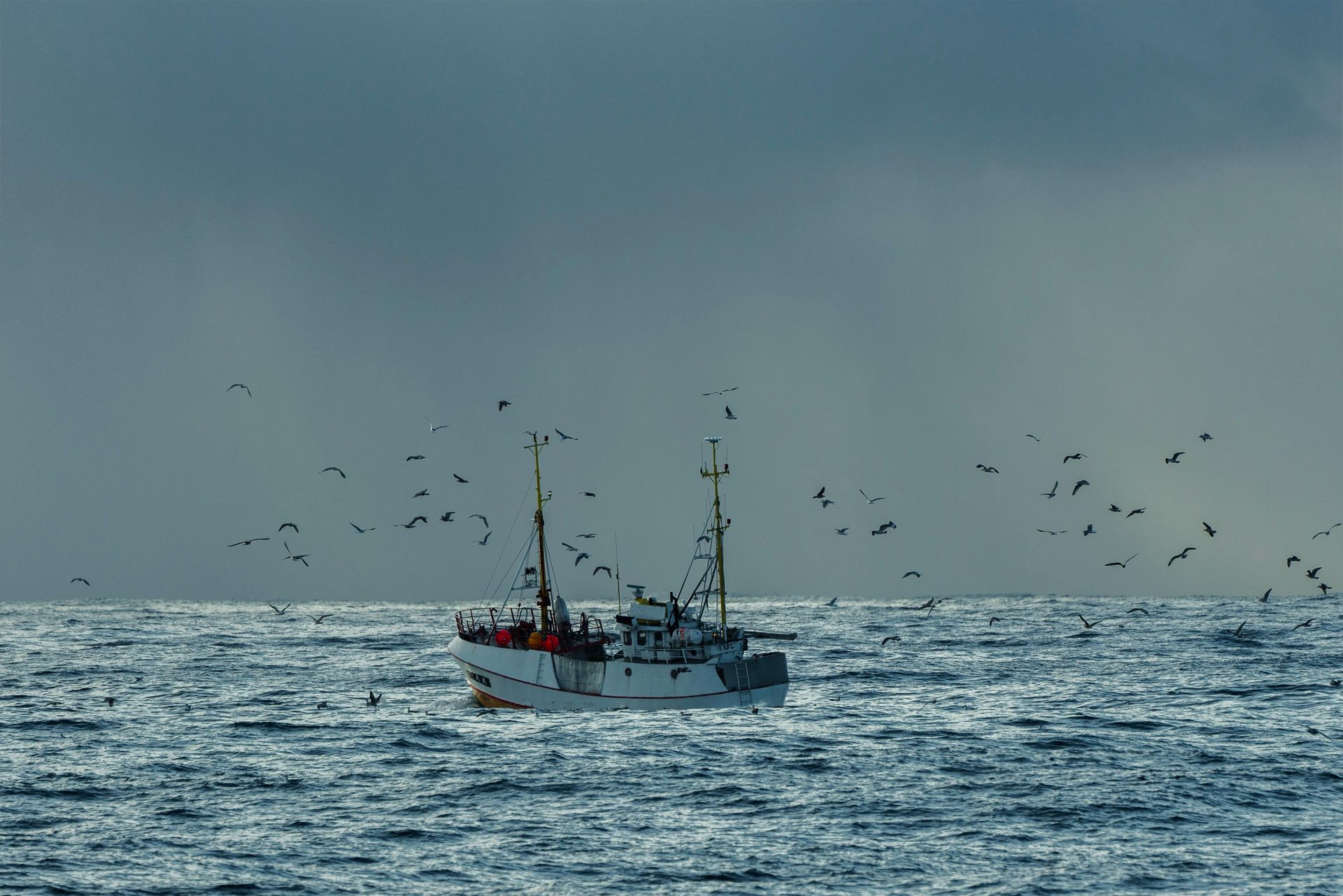
- unfortunately takes no actions to address the obvious risk for collapse of the Baltic cod stocks which could dramatically deteriorate the Baltic Sea ecosystem.
Further, the plan is lacking:
- Strong actions to shift CAP-subsidies in Baltic Sea into agri-environmental programmes which are needed to contribute to a substantial reduction of the nutrient run-off from agriculture.
- Strong actions to safeguard the Baltic Harbour Porpoise, which are at risk of collapse.
- Actions to address the threat of climate change, which is expected to significantly increase the effects of eutrophication on the Baltic Sea are absent.
- Strong actions to stem the threat posed to the Baltic ecosystem by the introduction of alien species into the Baltic Sea via ships ballast water.
- Strong actions to control nutrient run-off from agriculture, e.g. the designation of the whole Baltic catchment as a Nitrate Vulnerable Zone.
Additionally, since little attention has been given to how this plan will be implemented, coordinated, funded and evaluated - there is no clear understanding regarding how HELCOM and the CPs will even be able to manage and monitor this plan. Finally, even the few actions that have been identified are recommendatory and non-binding. This means that there is no guarantee that contracting parties will even take these actions.
We do appreciate, however, actions such as:
- The country-wise nutrient reduction requirements which have been agreed by CPs.
- The actions identified to ensure better environmental control for Industrial Animal Farms (Intensive rearing livestock farms) in Annex III of Helsinki Convention.
- The establishment of a list of Hot Spots, identifying Industrial animal farms, not fulfilling IPPC directive
- The active conservation of at least 10 threatened wild salmon river populations in Baltic Sea.
Overall, we are concerned with the very low ambitions for protection of the Baltic Sea environment from many Baltic Sea region countries and believe the true failure of this plan can be directly traced to the lack of political will and leadership on behalf of CPs. Looking around the room – it is disheartening to see that this ‘Ministerial’ meeting does not even include Environmental Ministers from Denmark, Germany and Latvia, which may indicate the low importance of this process for these CPs.
Furthermore, as the original intention of the BSAP was to take a holistic and integrated approach to tackling the many challenges in the region – it was a flawed intention from the start to only seek to include the agreement of environmental ministers. In order to be successful, this plan requires strong support from the highest level of government of each CP, and commitment that the BSAP will be implemented in a coordinated and integrated way across ALL relevant ministries and departments.
Clearly, your colleagues in the Ministries of Agriculture, Fisheries and Economy seem to have low ambitions for Baltic Sea Protection and would rather keep to business as usual. Their influence has been quite evident during the negotiations and subsequent weakening of the text. This is why it is so important that you strengthen your own expertise in these areas in order to achieve sustainable agriculture and fisheries for Baltic Sea protection.
Despite the weaknesses of this plan, the original intention of the BSAP remains valid – the Baltic Sea still needs urgent and concerted action to protect and restore it to ‘good ecological status’. We therefore urge each of you to seek the support of your Prime Ministers/Presidents and take responsibility for:
1. Implementing the BSAP but acknowledge that the implementation of the plan will not be enough to reach the goals and objectives of the BSAP and to therefore:
2. Take responsibility for its weaknesses and failures by developing a process to address the still urgent need to take dramatic and integrated action to save the Baltic Sea – ensuring that this action is taken at the highest level of each CP (where Agriculture and Fisheries sectors must take their full responsibility)– ideally in the form of a summit meeting in order to secure the health of the Baltic and therefore the continued economic success and quality of life of our region.
The Baltic Sea, and indeed the people around the Baltic Sea region, deserves more than declarations. Only real action and accountable leadership can achieve this – we therefore acknowledge you, Baltic Ministers of Environment and EC DG Env, as our most important partners to save the Baltic Sea environment and urge you to act and learn from the failings of this process. Thank you for your attention!