Development of the EU Marine Strategy Framework Directive (MSFD) policy
CCB • July 1, 2012
The implementation of the MSFD is on-going. In July 2012, EU Member States are supposed to present their plans with:
-Initial assessment of the marine environment and whether the “Good environmental status” of its marine environment has been reached.
-Targets and indicators for the 11 marine descriptors.
CCB, Seas at Risk and the Mediterranean Information Office have developed a Handbook for NGOs on how to work with the MSFD. Factsheets related to the various marine descriptors have been developed jointly by several European environmental NGOs.
The handbook and fact-sheets are available under statements dated March & April 2012
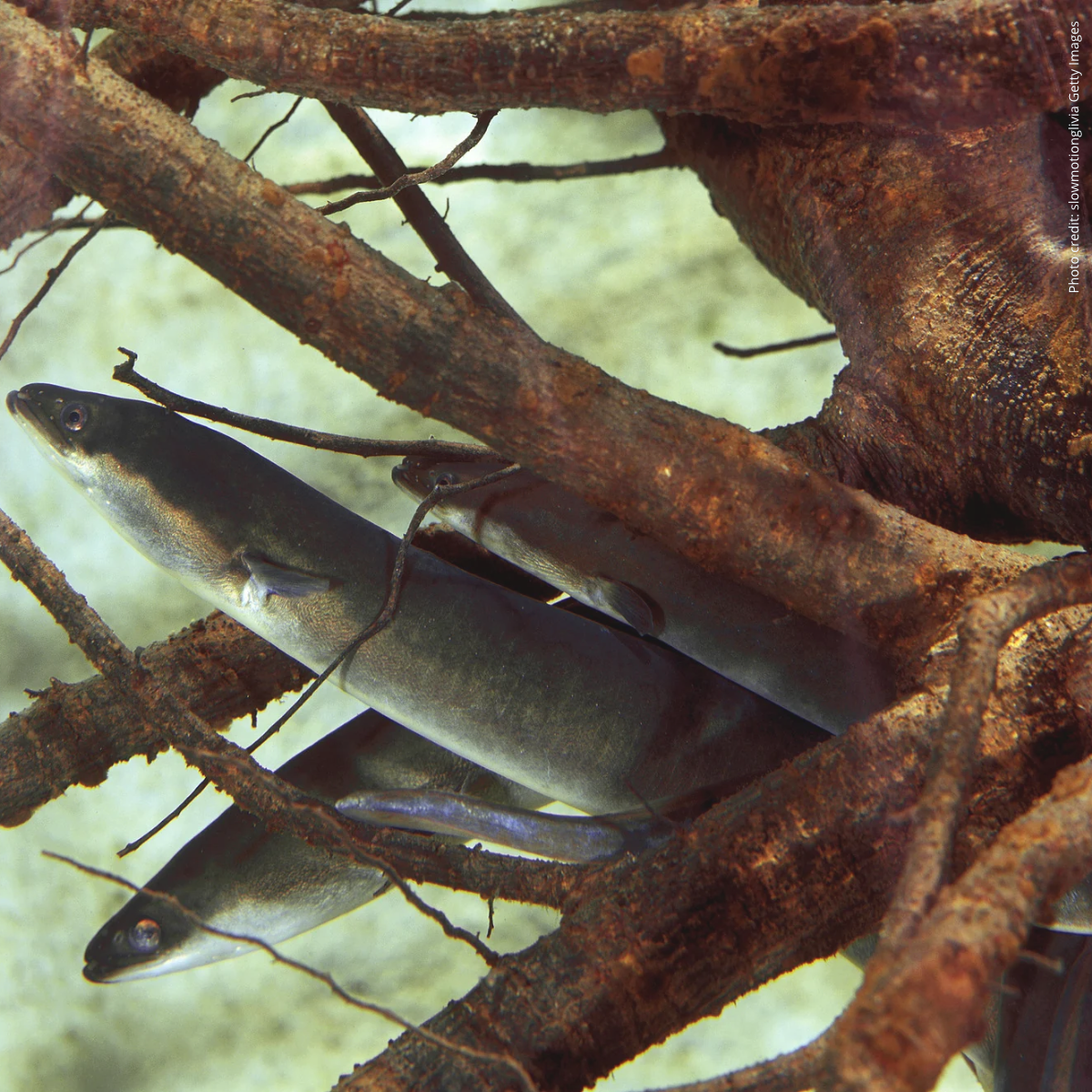
The annual eel fishing closures in EU waters, which set out to protect eel migration, are currently being discussed by the EU Member States in preparation for the December Fisheries Council. The Commission proposals leave the provision for this year unchanged and full of exemptions. For a critically endangered population with a zero catch advice since 2021 this is not sufficient.
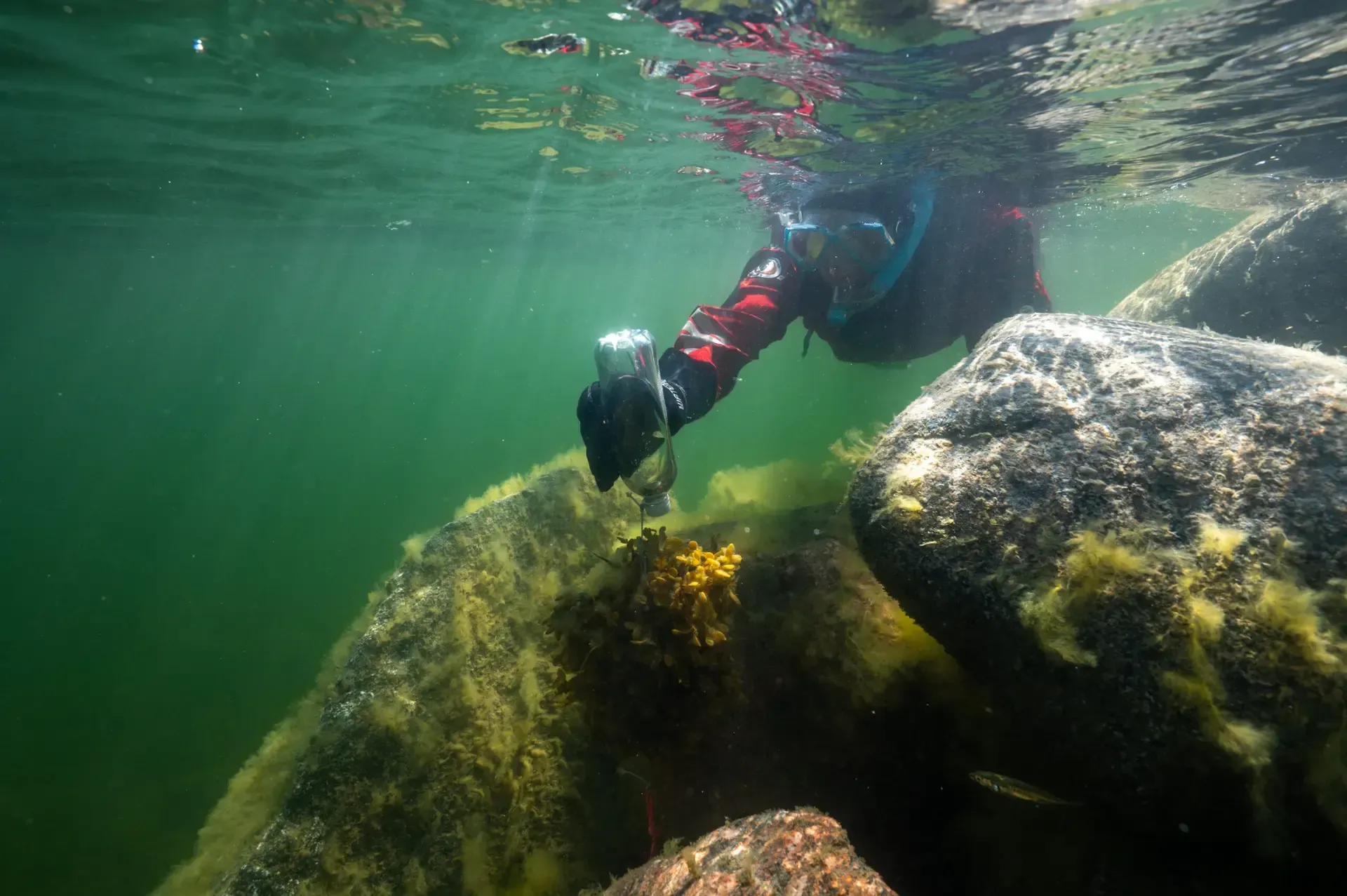
From dam removals in Finland to eelgrass returning in the Stockholm archipelago, restoration in the Baltic Sea is already under way. At a side event alongside the HELCOM Ministerial Meeting in Warsaw on 4 November, WWF and Coalition Clean Baltic (CCB) brought together government officials, farmers, volunteers and civil-society youth representatives to discuss how these local successes can turn into recovery of the entire Baltic Sea region. The event, “Restoring the Baltic Sea: From Local Successes to Regional Recovery” , took place on the same day that ministers ended their meeting without a Ministerial Declaration – leaving the HELCOM Regional Action Plan for Benthic Habitat Restoration unadopted. WWF and CCB hope the plan will be adopted in spring 2027. The event showed why it matters. Opening the event, Mirosław Proppé, CEO of WWF Poland , pointed to WWF’s latest Living Planet Report , which shows that wildlife populations continue to decline, including in the ocean. In our sea, Baltic cod is a stark example of a depleted population. But the report also offers hope: where countries and stakeholders act together, nature can recover, as the comeback of bluefin tuna shows. The Baltic Sea already has strong foundations for the same in decades of regional cooperation through HELCOM and new EU legal requirements to restore nature. Patrick Child, Deputy Director-General for DG Environment at the European Commission , built on this in his keynote. He described restoring the Baltic Sea as a regional necessity rather than a local ambition, and stressed that it requires cooperation between different authorities – which is exactly where HELCOM provides added value. Additionally, he emphasized that we must move away from isolated action and fragmented recovery towards regional measures, enabling genuine recovery of the sea.