CCB Health Risk Guidelines
CCB • May 23, 2023
The guidelines apply to all CCB events and will be reviewed and revised as needed. If you have any questions, please contact the Secretariat at:
secretariat@ccb.se
General advice
- Please keep checking EU and national governments’ advice and follow official instructions.
- Anyone should observe the following commonsense precautions :
- Frequently wash your hands;
- Avoid unnecessary physical contact, e.g. by refraining from customary forms of greeting such as kissing or shaking hands;
- If you need to cough or sneeze and don’t have a tissue, cough or sneeze into your elbow;
- For all future CCB meetings, please follow these commonsense precautions.
Meetings organized by CCB
- We are encouraging CCB Members, Observers and partners to explore and share any new remote meeting and conferencing tools and promote the use of online outreach, e.g. webinars, streaming, etc.
To read the CCB Covid Guidelines (March 2020)
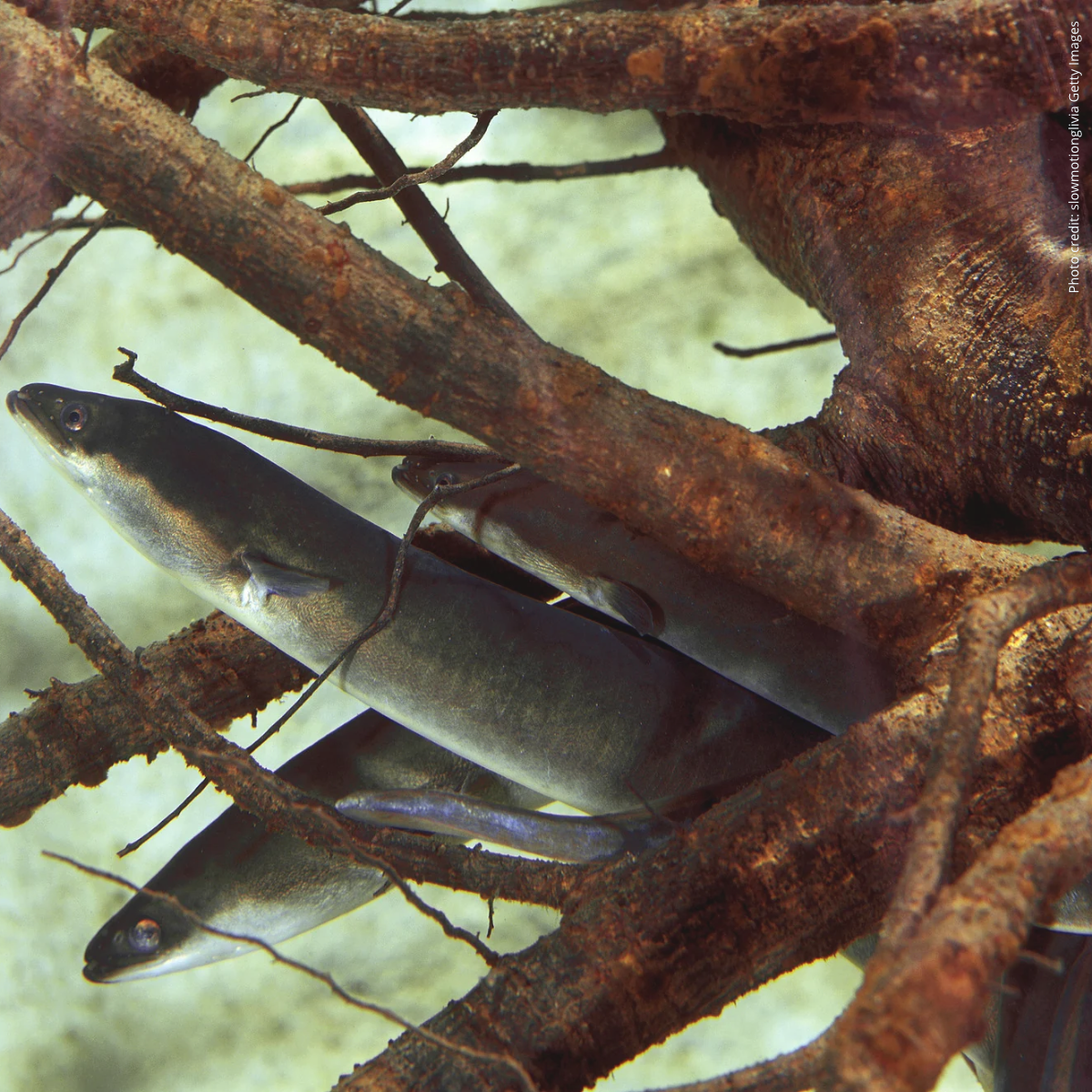
The annual eel fishing closures in EU waters, which set out to protect eel migration, are currently being discussed by the EU Member States in preparation for the December Fisheries Council. The Commission proposals leave the provision for this year unchanged and full of exemptions. For a critically endangered population with a zero catch advice since 2021 this is not sufficient.
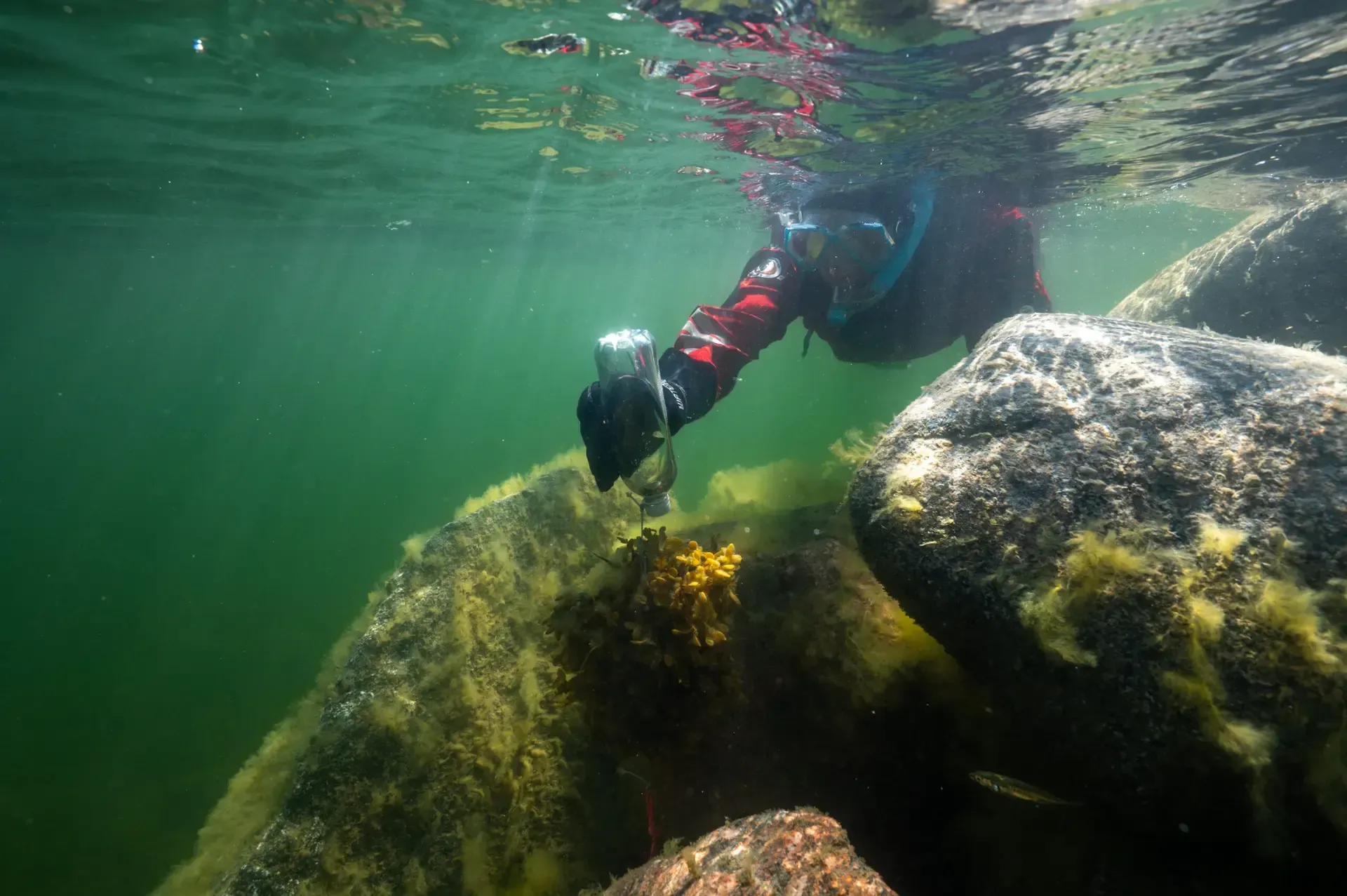
From dam removals in Finland to eelgrass returning in the Stockholm archipelago, restoration in the Baltic Sea is already under way. At a side event alongside the HELCOM Ministerial Meeting in Warsaw on 4 November, WWF and Coalition Clean Baltic (CCB) brought together government officials, farmers, volunteers and civil-society youth representatives to discuss how these local successes can turn into recovery of the entire Baltic Sea region. The event, “Restoring the Baltic Sea: From Local Successes to Regional Recovery” , took place on the same day that ministers ended their meeting without a Ministerial Declaration – leaving the HELCOM Regional Action Plan for Benthic Habitat Restoration unadopted. WWF and CCB hope the plan will be adopted in spring 2027. The event showed why it matters. Opening the event, Mirosław Proppé, CEO of WWF Poland , pointed to WWF’s latest Living Planet Report , which shows that wildlife populations continue to decline, including in the ocean. In our sea, Baltic cod is a stark example of a depleted population. But the report also offers hope: where countries and stakeholders act together, nature can recover, as the comeback of bluefin tuna shows. The Baltic Sea already has strong foundations for the same in decades of regional cooperation through HELCOM and new EU legal requirements to restore nature. Patrick Child, Deputy Director-General for DG Environment at the European Commission , built on this in his keynote. He described restoring the Baltic Sea as a regional necessity rather than a local ambition, and stressed that it requires cooperation between different authorities – which is exactly where HELCOM provides added value. Additionally, he emphasized that we must move away from isolated action and fragmented recovery towards regional measures, enabling genuine recovery of the sea.